
Peri News / Netherlands
Dutch privacy regulator advises against AI glasses for general use
Tests of six models found recording indicators that could be circumvented and security weaknesses. European guidance also addresses providers’ duties when processing personal data.
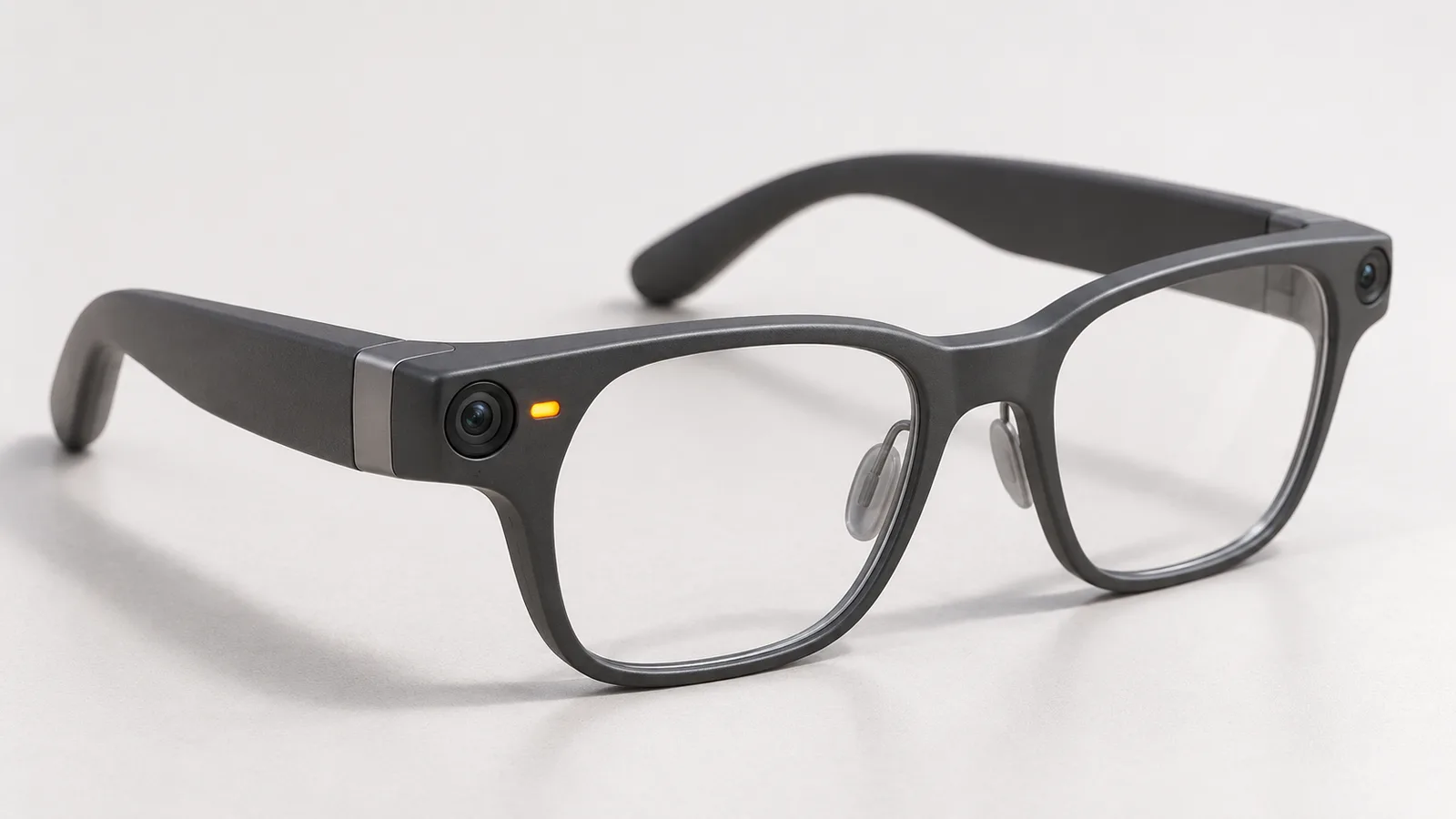
According to Biometric Update, the Autoriteit Persoonsgegevens (AP), the Dutch data protection authority, has advised consumers against buying camera-equipped AI glasses for general use after examining six models sold in the Netherlands. Recording lights were difficult to see or easy to cover on almost all devices; most continued recording when the lights were covered. Some models also had vulnerabilities that could allow nearby people to access recordings or camera controls without authorization. The manufacturers were not identified, so the findings cannot be attributed to a particular company.
The publication reports that the European Data Protection Board (EDPB), in an October statement, had recommended indicators visible under different lighting conditions and noticeable to people within the camera’s field of view. According to that account, the board also called for recording to stop when an indicator is covered. These are recommendations on transparency safeguards, distinct from a sales ban or a penalty. In more extensive tests of two models, the AP reportedly also found unreliable AI answers in simulated personal-safety situations.
Biometric Update also reports the EDPB’s position that manufacturers and providers of applications or AI services may be data controllers when they determine how personal data is processed. Under the European Union’s GDPR, the exemption for personal or household activities does not automatically extend to these operators: an AI provider analyzing images containing other people cannot simply rely on the wearer to meet its own obligations toward those individuals. The publication also describes unclear information about which entities process images and audio. The test findings and legal guidance remain attributed here to the news report; the original AP and EDPB documents have not been independently reviewed.
Sources
- Dutch tests find smart glasses privacy safeguards fail in practice | Biometric Updatebiometricupdate.com — 21 November 2026