
Peri News / Italy
Italy fines traffic camera supplier over late data agreement
Engine received a €4,000 fine for processing data in traffic light enforcement services in Piacenza without a timely agreement under Article 28 GDPR.
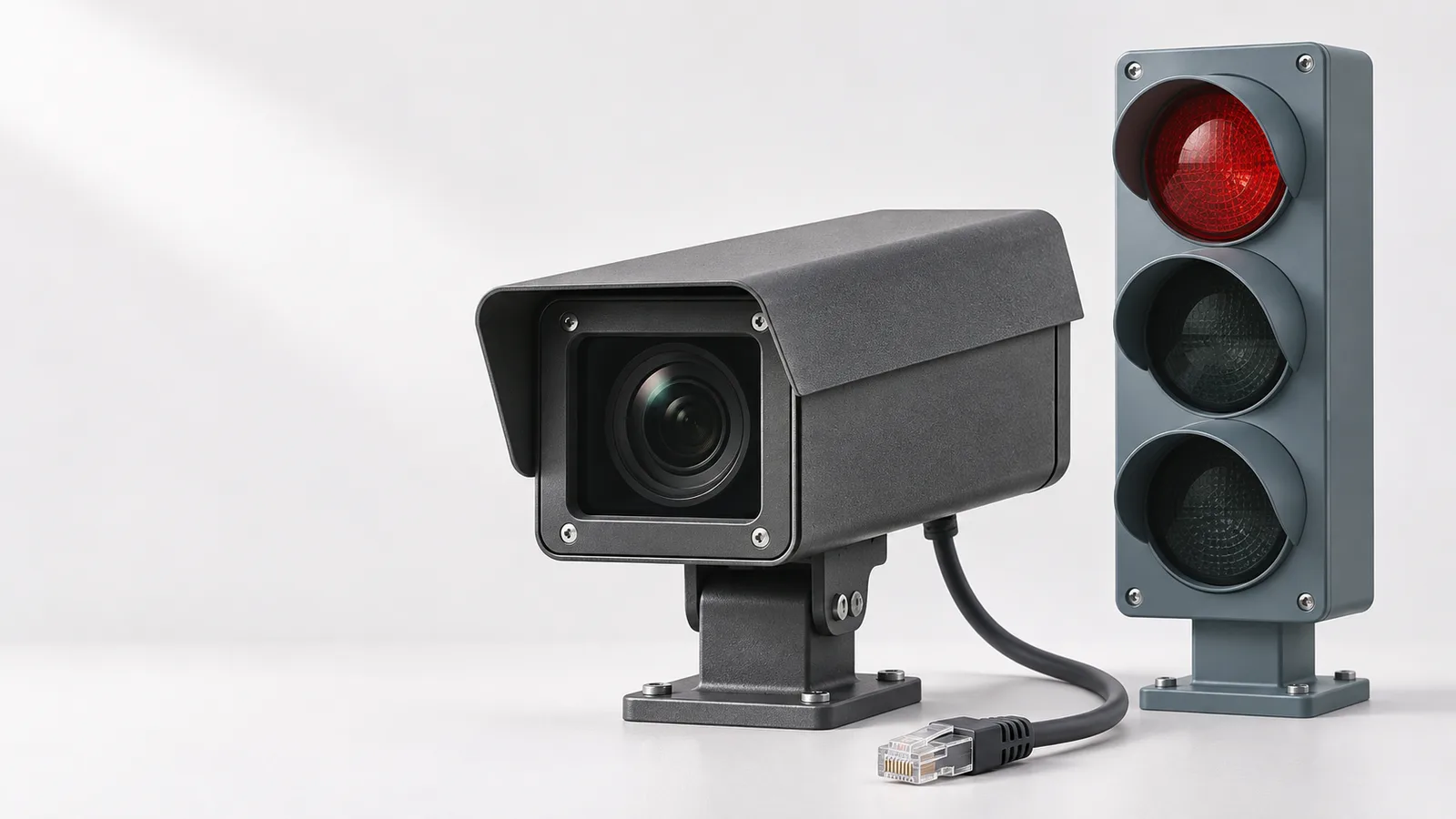
Summary. In its “Provvedimento del 12 novembre 2026” (decision No. 820, document 10324586; consulted on 28 November 2026), Italy’s data protection authority, the Garante per la protezione dei dati personali, imposed a €4,000 administrative fine on Engine S.p.A. The company supplied the Municipality of Piacenza with equipment for detecting traffic light violations, technical support and maintenance. The finding concerns the processing of personal data relating to multiple individuals, including owners of vehicles recorded by the system. Services began in January 2023, but the agreement required under Article 28 of the General Data Protection Regulation (GDPR) was signed only in August 2025.
The decision explains that the relationship between a controller and a processor must be governed by a contract or other legal instrument before processing begins, with documented instructions. For the company’s activities on the municipality’s behalf, the absence of that arrangement meant processing lacked an appropriate legal basis, breaching Articles 5(1)(a) and 6 GDPR and Article 2-ter of Italy’s Privacy Code. In its defence as recorded in the decision, Engine described the omission as formal and procedural, maintaining that its technical staff had not directly viewed the images. These arguments did not overcome the findings.
In setting the fine, the Garante considered the infringement negligent and not of high intensity, taking into account the absence of special categories of personal data and relevant previous infringements, and the company’s cooperation. Because the conduct had ceased to have effects, no further corrective measures were ordered beyond the fine and publication of the penalty order. A challenge before the ordinary courts remains possible.
Sources
- Provvedimento del 12 novembre 2026 [10324586] - Garante Privacygaranteprivacy.it