
Peri News / European Union
Smart glasses: EDPB highlights transparency and limits on use
The preliminary statement distinguishes users’ and providers’ responsibilities and recommends measures to make data processing noticeable.
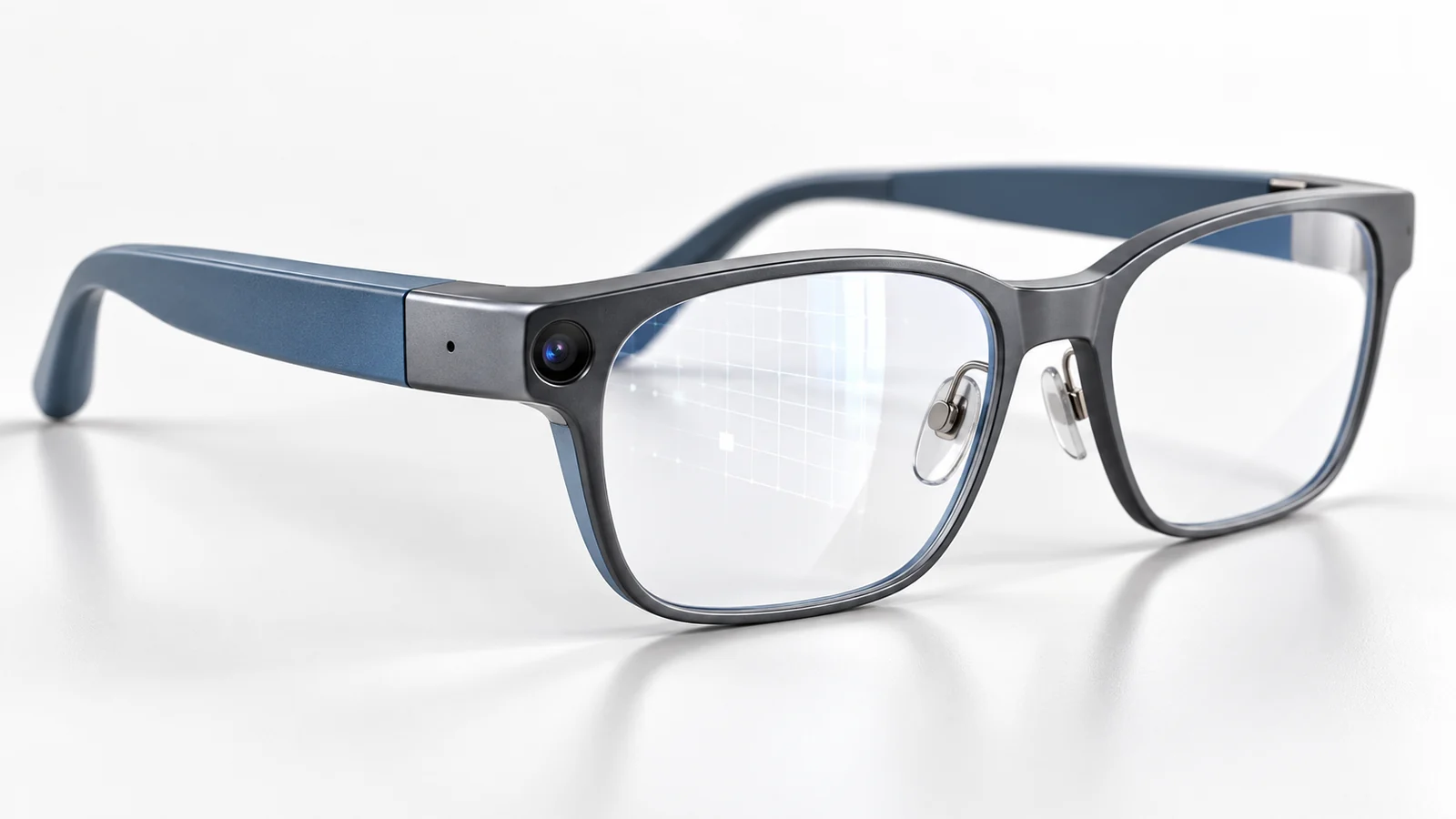
The European Data Protection Board (EDPB) adopted “Statement on Smart glasses” on 13 October 2026, setting out preliminary reflections on applying the GDPR to connected eyewear. It introduces no new rules. The central risk concerns collecting images and conversations without people nearby being aware of it.
According to the EDPB, the household exemption covers purely personal or household activities and must be interpreted narrowly: it does not cover sharing with an indefinite public on social media or professional uses. Users, manufacturers and providers may be controllers, including joint controllers, depending on who determines the purposes and means of processing. Providers acting as controllers remain responsible for their own obligations, including transparency towards people captured.
The Board recommends combining visual, audio and other signals, limiting continuous recording and protecting bystanders’ identities by default. Processing within the GDPR’s scope requires a valid legal basis; justifying reuse for AI training through legitimate interests presents particular difficulties, especially when people are unaware of the initial collection.
Sources
- Statement on Smart glassesedpb.europa.eu