
Peri News / United Kingdom
UK announces new rules for police use of facial recognition
The government plans independent oversight, discrimination testing and limits on police use of facial recognition. The measures have yet to be introduced.
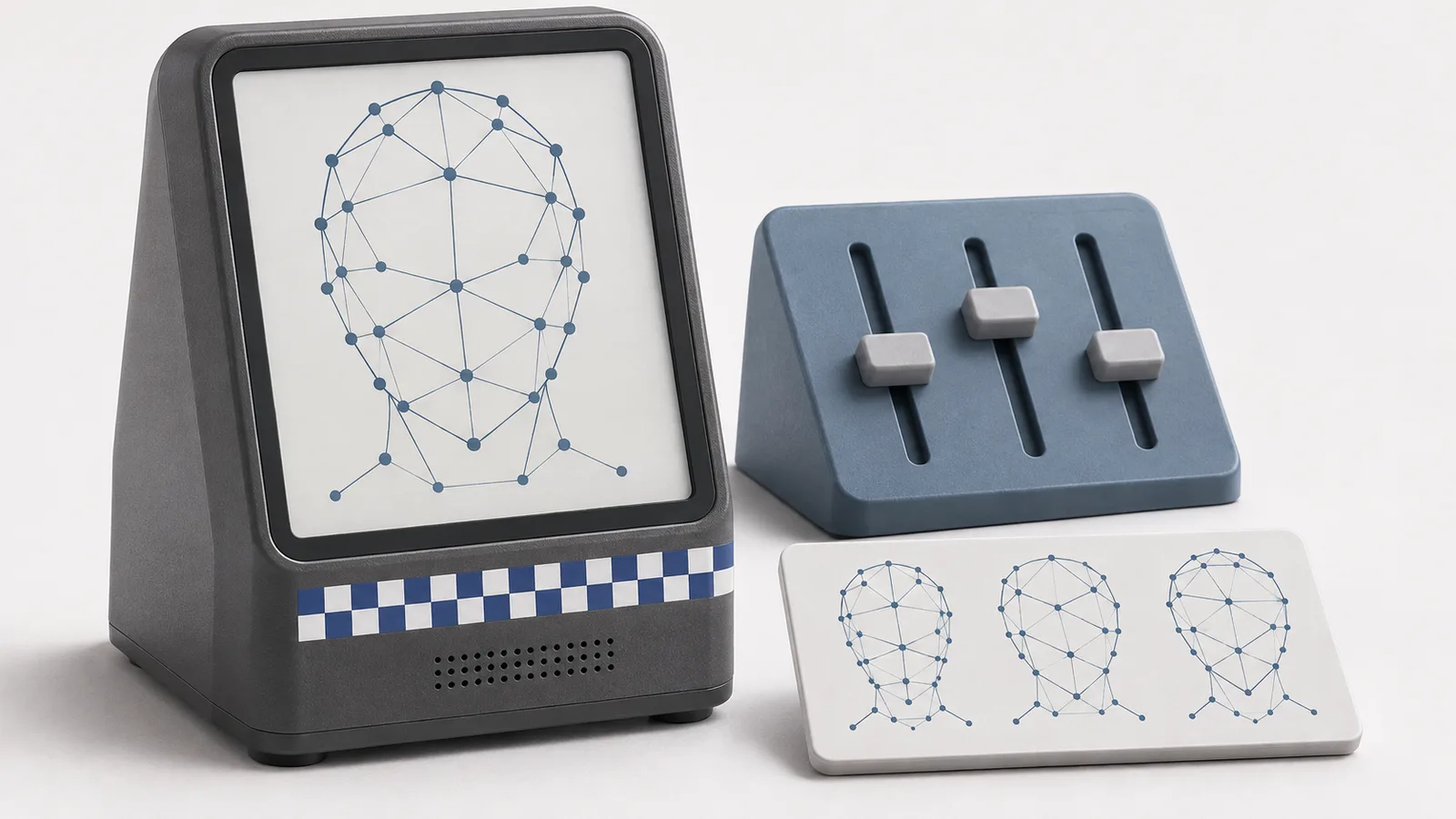
In its announcement “Stronger laws for police using facial recognition technology”, published on GOV.UK on 4 November 2026, the Home Office set out plans for new rules governing British police use of facial recognition. The measures follow a public consultation and are presented as changes still to be introduced. A specific provision would require use to be proportionate and intelligence led, restricting deployment to situations where officers believe wanted people could be present in an area. Technologies used by law enforcement would also have to undergo rigorous, independent testing for bias or discrimination relating to age, gender or race.
A planned independent watchdog would oversee current and future police technologies, advise on standards and make recommendations to ministers about emerging risks. In extreme cases of non-compliance, it could pursue enforcement action potentially resulting in a court injunction preventing the forces concerned from using those technologies. The government also intends to develop, in consultation with the new regulator, a legally binding police code of practice and a separate code for businesses using facial recognition to tackle crime, including shops.
The announcement does not specify the territorial scope of the future provisions or commencement dates; their legal scope remains to be checked against the legislative text. It does specify that an investment of £11 million is intended to triple the number of live facial recognition vans available to police forces in England and Wales. That operational programme is separate from the newly announced legislative safeguards.